Why Time Management is not about time?
- Baskaran Rajamani
- May 6, 2025
- 3 min read

Updated: Jul 2, 2025

As an executive coach, I often hear clients come to me and say, “I need to manage my time better.” They come to coaching sessions hoping for tips, tools, and hacks to squeeze more productivity into their day. But with a bit of exploration, it quickly becomes clear: the problem isn’t time management. It’s something deeper.
The Real Issue Isn’t Time—It’s Alignment
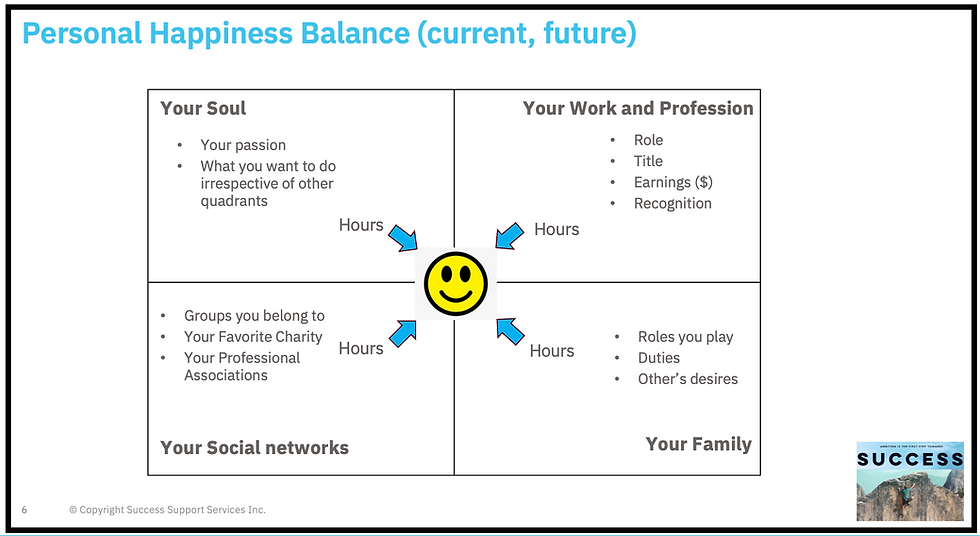
At the heart of most time struggles is not a lack of calendars or to-do lists—it’s a misalignment. A misalignment between what they say matters and how they actually spend their time. A misalignment between their roles and their values. Or between the urgent and the important.
When people feel time-starved, they often assume they need to get more efficient. But efficiency without direction is just acceleration without purpose. What they truly need is clarity—on what matters most, and the courage to let go of what doesn’t.
Questions That Reveal the Truth
In coaching conversations, I ask questions like:
“What would success look like at the end of this week or month?”
“Which of your current activities directly connects to your long-term goals?”
“If you had an extra hour today, what would you spend it on—and why?”
More often than not, the answers reveal that time is not the issue. It’s prioritization based on values. It’s unexamined commitments. It’s the fear of saying no. Sometimes, it’s the guilt of choosing self-care over hustle, or strategic thinking over being constantly available.
The Productivity Trap
Our culture often glorifies busyness as a badge of honor. But being busy is not the same as being effective. True productivity stems from intentionality—doing fewer things, better, and in service of a larger purpose.
Many executives I work with are incredibly capable. Their calendars are full, their task lists long, and their days meticulously planned. But what’s missing is often space: space to think, to reflect, to realign.
Moving Toward Intentional Leadership
Here’s what I’ve learned (and help clients work through):
Time management is really values management. When we’re clear on our values, decisions become easier. Priorities rise to the top. Time gets spent on what matters.
Saying no is a leadership skill. Every “yes” is a “no” to something else. Learning to say no with grace is essential to protecting your time and energy.
Presence beats productivity. A leader who’s present, focused, and intentional can achieve far more impact than one who’s scattered but busy.
A Different Kind of Time Audit
Rather than asking, “How can I get more done?” ask:
What am I doing today that future-me will thank me for?
Which tasks are meaningful versus just urgent?
Is my calendar a reflection of my values—or someone else’s? How is the quality of my calendar?
How is my calendar compliance or calendar discipline? Am I honoring my own commitments that I planned into my calendar?
The answers might surprise you—and point the way toward deeper, more sustainable change.
Final Thoughts and call to Action!
Next time you or someone you lead is struggling with time, pause. Don’t reach for another app or time-blocking strategy just yet. Instead, look inward. Examine the choices beneath the schedule. Because time management, at its core, is not about managing minutes. It’s about aligning your life and leadership with what truly matters. Do you to discover where you currently are and how you can improve your calendar quality and calendar compliance? Taken the first step. Book a free Discovery call with me, from my website at www.SuccessSupport.ca
Back to my LinkedIn post


Comments